
Power Plant Boiler Outages: Why Quality and Schedule Are the New Currency
July 1, 2026
•
6
min read
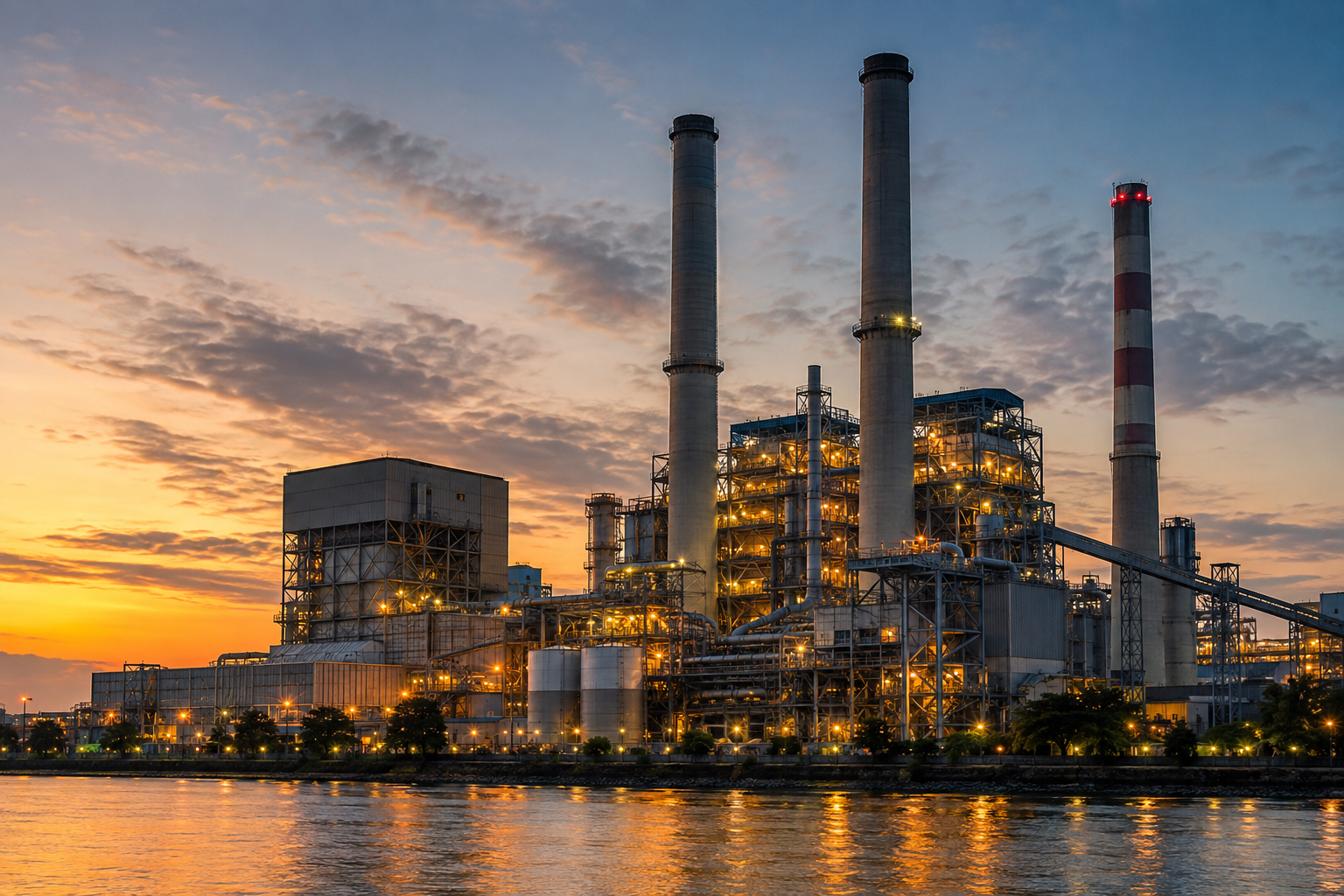
The U.S. power market has changed faster in three years than it did in the previous twenty. Data center load is climbing at double-digit rates, electrification is adding steady demand, coal retirements are being delayed instead of accelerated, and reserve margins in several regions are the tightest they’ve been in a generation. Every megawatt of dispatchable capacity matters, and every day a unit is offline matters more than it used to.
The result is a new outage environment where execution risk is no longer absorbed inside a maintenance budget. It shows up in capacity value, market exposure, regulatory scrutiny, and customer confidence. Owners need contractors who can protect the return-to-service date while proving that the work will stay repaired after startup.
Cost and execution has reshaped how owners think about power plant outages. A planned outage is not just a maintenance event anymore; it is a capacity event. A unit that returns late costs more than overtime and liquidated damages. It can affect capacity payments, market position, and in the worst cases, grid reliability. National supports power generation facilities nationwide through every phase of outage execution, from pre-planning through startup, with the goal of reducing those risks before the outage window opens.
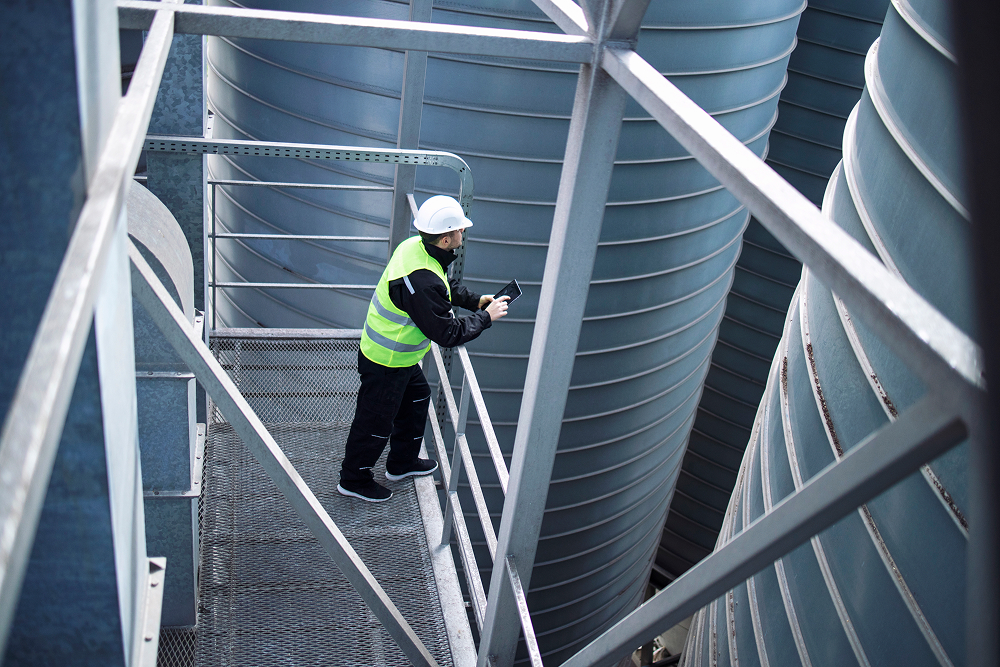
A Power Plant Is a System of Systems
In that environment, outage performance depends on how well specialized work scopes are coordinated as one operating plan, not how well each scope is managed in isolation.
A power plant outage is rarely about one piece of equipment. A typical scope spans:
• Boiler and pressure parts: waterwall, superheater, reheater, economizer, and gen bank repairs; header, drum, and code work
• HRSG work: tube bundle repairs, harp replacements, duct burner and casing work on combined-cycle units
• Air heaters: basket replacements, seal upgrades, and hot/cold end refurbishment
• Condensers and feedwater heaters: tube cleaning, plugging, retubing, and waterbox work
• Cooling towers: structural repairs, fans, and gearboxes
• Emissions controls: SCR catalyst changes, baghouses, precipitators, and stack work
• High-energy piping and valves: main steam, hot reheat, cold reheat, feedwater repairs; safety and control valve overhauls
• Balance of plant: ductwork, fans, pumps, tanks, structural steel, and platforms
Contractors who can self-perform across most of this scope, and integrate the rest under one schedule, one safety program, and one point of accountability, are the ones who consistently deliver.
Why Scope Complexity Demands a Single Partner
The scope list above isn’t just long, it’s interdependent. Boiler pressure part work gates scaffold access for air heater crews. HRSG harp replacements affect duct burner sequencing. High-energy piping inspections determine whether valve overhauls go on the critical path or stay on the float. When eight separate contractors manage their own schedules, safety programs, and material deliveries against that web of dependencies, the coordination gap becomes the outage risk.
The stakes of getting this wrong are climbing. According to NERC’s 2024 State of Reliability, conventional-generation forced-outage metrics remained at historically high levels in 2023, exceeding the rates reported in every year before 2021. Coal-fired units posted a Weighted Equivalent Forced Outage Rate (WEFOR) of 12%, above pre-2021 averages, driven in part by aging infrastructure and increased cycling demands. For gas-fired combined-cycle units, the implication is similar: outage windows are carrying more work, and execution errors have less room to hide. (Source: NERC 2024 State of Reliability, June 2024. nerc.com)
A contractor with multi-craft, multi-division self-perform capability eliminates the coordination layer entirely. One schedule. One safety program. One point of accountability from mobilization to startup. When a discovery scope item adds work to the critical path, there is no subcontractor negotiation, no remobilization delay, no gap in the turnover package, because the same team that found it fixes it. National’s Boiler, Mechanical, Construction, and Specialty divisions operate as an integrated service model, giving power generation customers a single partner across every major outage work scope.
Why Quality Matters More Than Ever
Quality has always mattered in power. What’s changed is the cost of getting it wrong. A failed tube weld discovered three weeks after startup doesn’t just trip the unit, it pulls badly needed dispatchable capacity off the grid at exactly the wrong moment, and increasingly triggers six-figure capacity penalties.
Real quality certainty comes from code-qualified welders, independent NDE with traceable reports, in-process QA/QC instead of end-of-job walkdowns, full material traceability on P91 and other high-temp alloys, and turnover packages the plant can rely on at the next inspection. National’s ASME- and NBIC-accredited QA/QC program consistently achieves a 97%+ weld acceptance rate across power generation projects nationwide.
Why Schedule Certainty Is the New Currency
In a tight market, the start-up date is the contract. Capacity obligations, supply agreements, fuel deliveries, and sister-unit maintenance all key off it.
Schedule certainty is delivered through schedules built around the real critical path, off-site pre-fabrication so field hours are install hours, manpower curves that actually match the work, 24/7 coverage at peak phases, real-time earned-value reporting, and pre-priced discovery playbooks so surprises don’t become schedule events.
A contractor who hits the schedule once is lucky. A contractor who hits it three outages in a row is a partner. National’s onsite and offsite fabrication capabilities and a craft database of 5,000+ resources allow rapid workforce scaling when the critical path demands it.
Cost and Safety Are Still Non-Negotiable
None of this means cost and safety have moved to the back seat; they’ve become the cost of entry. Detailed estimates and transparent change orders protect the budget. Strong safety planning keeps work moving, because a recordable incident doesn’t just hurt people, it stops the job and breaks the schedule.
What Power Plant Outage Success Looks Like Today
The grid has less margin for error than it has had in decades. Load is up, retirements are slipping, and every dispatchable megawatt is more valuable than it was two years ago. The operators who outperform are the ones whose outages finish on the hour they promised, stay finished, and hand back a unit the dispatcher can count on.
That’s what power plant outage success looks like today: quality you can run on, and a schedule the grid can plan around. Anything less is a risk the system can no longer absorb.
National has supported power generation facilities across the U.S. for 30+ years, from full-scope planned outages to 24/7 emergency boiler response. If your next outage is on the schedule, connect with a specialist.
Blog
Related posts

Industrial Piping Installation: Prevent Schedule Creep
Schedule creep is a preventable but frequent cause of industrial piping outage overruns. By emphasizing field-verified planning, disciplined coordination, and experienced contractor selection, facilities can mitigate risks, minimize downtime, and ensure startup readiness.


Contact Us
For inquiries, project discussions, or more information, reach out to our team today.
Disclaimer & Privacy Statement
Submitting this form is for informational and registration purposes only. It does not constitute an offer of employment or a guarantee of future work. The information you provide will be used to create your talent profile and help us match your skills with current and future opportunities.
We respect your privacy. Your data will be kept confidential, stored securely, and handled in accordance with our privacy policy. We do not share your personal information with third parties.

.jpg)